(July 27, 2026) Recently, the organosilicon specialty materials industry has continued to receive positive news. Relying on precise molecular structure regulation and process iterations, the high-end transformation of domestic phenylyl silicone oil products has significantly accelerated. With explosive demand in downstream sectors such as AI computing power immersion liquid cooling, optoelectronic device packaging, new energy power equipment, and high-end beauty, the phenylyl silicone oil market is entering a new growth cycle, with domestic substitution of high-end grades continuing to deepen.
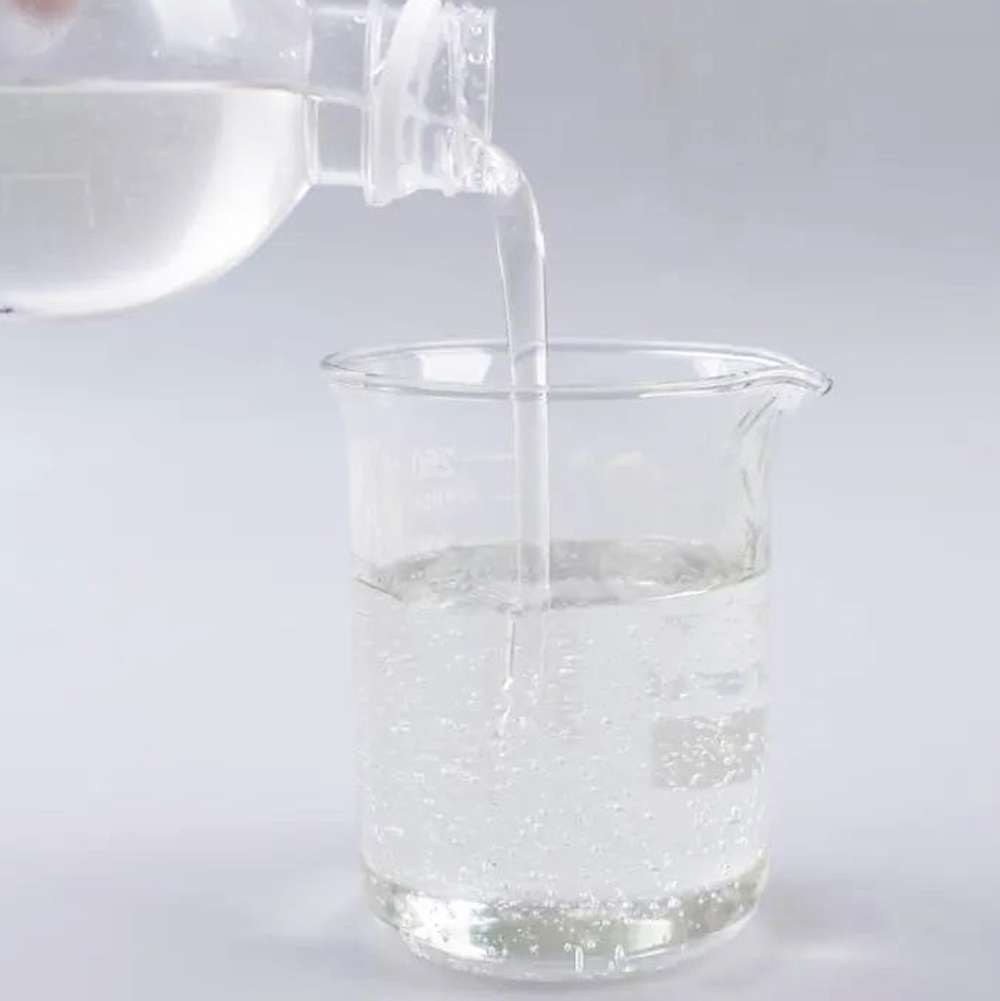
Phenyl silicone oil is a modified silicone fluid. By introducing phenyl groups into the polysiloxane main chain, it offers a wider temperature tolerance range, excellent radiation resistance, adjustable refractive index, and good thermal oxidation stability compared to conventional methyl silicone oil. Based on the proportion of phenyl molar content, the product is divided into three main categories: low phenyl, medium phenyl, and high phenyl. It can be adapted to ultra-low temperatures from -70°C to long-term high-temperature conditions of 300°C, making it an indispensable special functional material for high-end equipment.
Currently, the largest incremental growth in the industry comes from the computing power infrastructure sector. Modified phenyl silicone oil, characterized by low volatility, high insulation, chemical inertness, and high flash point characteristics, is being widely applied in immersion liquid cooling systems for high-density GPU servers. Compared to traditional cooling media, phenyl silicone oil does not corrode circuit boards or metal components, is resistant to deterioration during long-term operation, and is perfectly suited for the continuous high-load heat dissipation needs of intelligent computing centers. Industry institutions estimate that by 2026, the consumption of phenyl silicone oil in the semiconductor and data center liquid cooling sector is expected to steadily rise, becoming one of the fastest-growing segments.
The optoelectronics sector is also in strong demand. High phenyl silicone oil has a refractive index adjustable to 1.48~1.56, high light transmittance, and is not prone to yellowing over long-term use. It is widely used in LED COB packaging, automotive LiDAR optical filling, and AR/VR optical device sealing. In the new energy sector, this material is used for insulation packaging of IGBT power devices, sealing protection for photovoltaic inverters, and sealing lubrication for hydrogen energy equipment; In aerospace, it is used as a special lubricant and composite release agent under extreme working conditions, resistant to high and low temperature alternating and radiation exposure.
The consumer market is growing steadily. Phenyl silicone oil, with its silky skin feel, excellent spreadability, and high gloss, is widely used in lipsticks, foundations, sunscreens, and hair care products. It also has the effects of forming a film, hydrophobic, and improving makeup longevity, making it consistently favored by beauty formula companies both domestically and internationally.
From an industry landscape perspective, high-purity electronic-grade and aerospace-grade phenyl silicone oil has long been dominated by overseas companies. In recent years, many domestic silicone companies have overcome key technologies such as phenyl monomer synthesis, continuous polymerization, and deep distillation purification. Several large-scale high-phenyl silicone oil production lines have been put into operation, with continuous optimization of metal ion impurity and volatile fraction indicators in products. Some grades have now matched international standards, and export orders have steadily increased.
Industry experts analyze that with the continued implementation of the "Action Plan for the Industrialization of Advanced Silicone Functional Materials," phenyl silicone oil has received policy support as a strategic new material. The future industry development will show three major trends: first, products will move toward ultra-high purity, narrow molecular weight distribution, and customized modification; Second, downstream demand is shifting from traditional lubrication markets to high value-added scenarios such as computing power, optoelectronics, and new energy; Third, strengthen upstream and downstream collaborative R&D, with material manufacturers working together with liquid cooling integrators and optoelectronics companies to develop specialized formulation products.
At the same time, the industry faces challenges: the high-end phenylchlorosilane monomer process threshold is high, there is still room for optimization in continuous green production processes, and downstream customers have long product validation cycles. In the medium to long term, as domestic products continue to improve performance and brand recognition increases, dependence on high-end phenyl silicone oil imports will further decrease.
Looking ahead, the expansion of AI computing power, the upgrading of the new energy industry, and the volume increase of high-end optical equipment will continue to support the growth in demand for phenylsilicon oil. Companies continue to increase R&D investment, develop differentiated specialty phenyl silicone oil products, and open up high-end supply chains, fully benefiting from the wave of domestic substitution in new materials.
http://www.iotachem.com