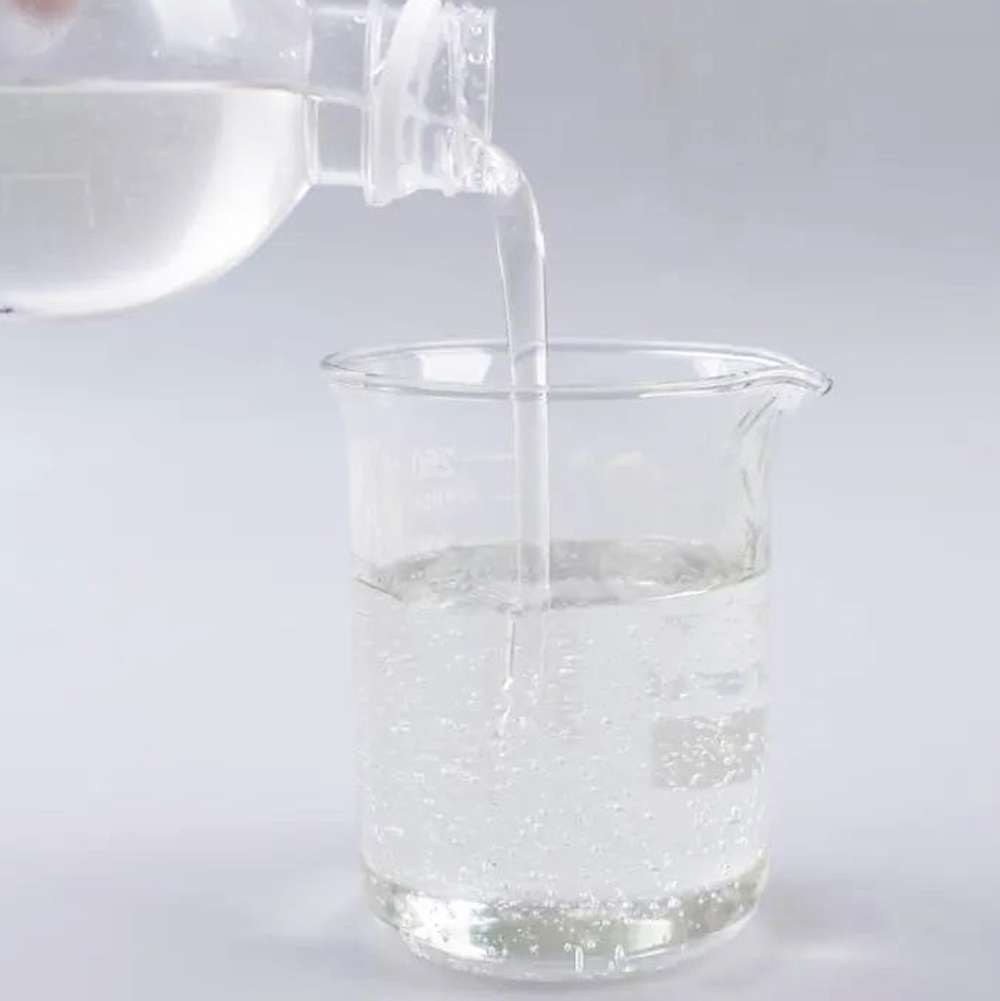
(July 24, 2026) Recently, research information from the silicone industry chain showed that the vinyl silicone oil industry, as the core base material for liquid silicone rubber and additive silicone rubber, is experiencing structural opportunities. Downstream demand for new energy vehicles, photovoltaics, semiconductor packaging, and high-end medical products is steadily rising. Domestic companies continue to break through process barriers for high-purity products, and the process of import substitution for high-end vinyl silicone oil is accelerating significantly.
Vinyl silicone oil contains active vinyl groups and can undergo silicon-hydrogen addition reactions with hydrogen-containing silicone oil. It is the most critical raw material for producing LSR liquid silicone rubber, thermal conductive gels, electronic potting adhesives, and LED packaging materials. It is widely used in power battery sealing, IGBT module protection, precision medical devices, consumer electronics accessories, and other scenarios. Market competition for ordinary industrial-grade products is approaching saturation, while there has long been a supply gap for electronic-grade and medical-grade ultra-high-purity vinyl silicone oil.
Market data shows that by 2026, the overall domestic vinyl silicone oil market size is expected to exceed 4.3 billion yuan, with a year-on-year increase of more than 12%. The core growth driver comes from the new energy sector: the expansion of new energy vehicle production capacity has driven up demand for battery pack sealants and high-voltage wiring harness silicone rubber; Demand for weather-resistant insulating silicon materials in photovoltaic modules and energy storage equipment continues to rise, driving steady increases in orders for medium- and high-viscosity vinyl silicone oil. Meanwhile, the miniaturization of AI servers and power semiconductors has raised higher requirements for electronic-grade vinyl silicone oils with low ions and low ring residues.
For a long time, the high-end sector has been constrained by difficulties in purification, catalysis, and devolcanization processes. High-purity products require strict control of D4/D5 rings and trace metal ions, with stringent requirements for viscosity and vinyl content in batch stability. Recently, several domestic new organosilicon material companies have continuously optimized continuous synthesis processes, improved precision distillation systems, achieved technological breakthroughs in side-chain modified vinyl silicone oil, and further enhanced crosslinking efficiency and tear strength of new products, gradually entering the prototype certification stage for leading downstream enterprises.
Industry analysts say that the current price competition in the general vinyl silicone oil market is fierce, putting pressure on corporate profits; Manufacturers with high-purity, stable mass production capabilities, and the ability to provide customized viscosity and vinyl content solutions stand out as competitive advantages. With downstream material manufacturers diversifying their supply chains, domestic high-end vinyl silicone oil has entered a certification window.
From the development trend perspective, the industry will show three major directions in the future: first, product premiumization, focusing on high value-added sectors such as semiconductors, new energy vehicles, and medical consumables; Second, functional customization, developing low-volatility, flame-retardant, modified, highly transparent specialized vinyl silicone oil; Third, green production upgrades, continuously reducing by-products, and adapting to global environmental regulations such as EU REACH and RoHS.
Industry insiders predict that 2026–2027 will be a key cycle for the localization of high-end vinyl silicone oil. With more production lines launched and downstream certifications completed, domestic manufacturers are expected to further narrow the gap with overseas giants and promote independent control over key silicone raw materials.