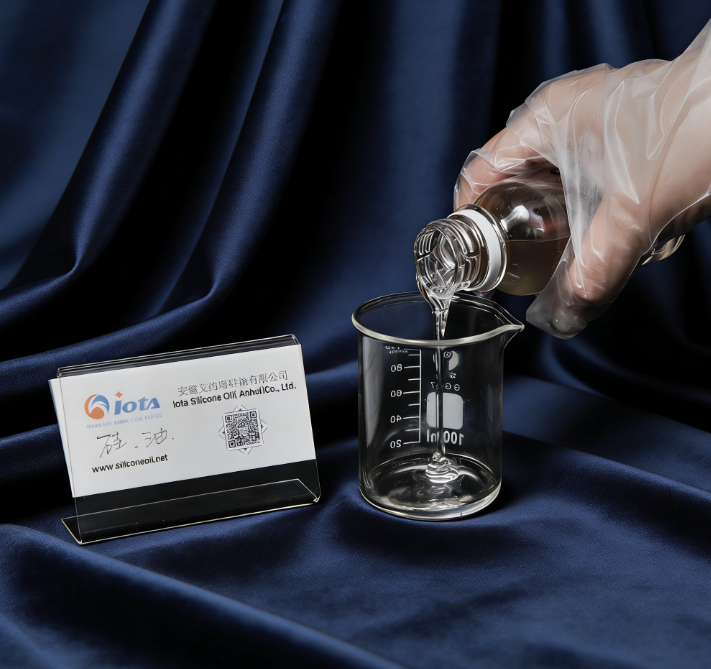
(July 9, 2026) Multiple domestic enterprises specializing in new silicone materials have simultaneously achieved stable production of tens of thousands of tons of low-cyclic, VOC-free epoxy silicone oils. Thanks to a new composite catalytic synthesis process, domestically produced high-end epoxy silicone oils now match imported products in terms of purity, environmental standards, and compatibility. This breakthrough has completely shattered the long-standing monopoly held by foreign companies in the fields of electronic-grade and highly reactive epoxy silicone oils, providing domestically produced, environmentally friendly raw materials for four key industries: new energy vehicles, 5G semiconductors, water-based industrial coatings, and high-end textiles.
Epoxy silicone oil, as a modified silicone additive that combines the reactive properties of epoxy groups with the heat resistance, hydrophobicity, and low surface tension characteristics of silicone materials, is an essential intermediate for high-performance composite materials. Traditionally produced epoxy silicone oils often suffer from issues such as high residues of D4/D5/D6 cyclosiloxanes, excessive VOC emissions, and poor cross-linking stability. With the tightening of new pollutant control policies both domestically and internationally in 2026, the circulation of products containing high-cyclic silicone oils has been gradually restricted. As a result, there is an ongoing increase in the demand for low-cyclic, solvent-free epoxy silicone oils with high adhesion properties.
The new mass-produced product utilizes a composite catalytic system of trifluoromethanesulfonic acid and steric amide to inhibit cyclization side reactions at the polymerization stage, ensuring that the total content of cyclic siloxanes in the final product is controlled within 100 ppm, which is significantly lower than the vPvB regulatory limits set by the EU CLP directive that came into effect in May 2026. Additionally, a solvent-free bulk polymerization production line is employed, eliminating the need for organic solvents such as toluene throughout the manufacturing process. The wastewater consumption per ton of product is reduced to 3.2 cubic meters, with a wastewater reuse rate exceeding 78%, fully meeting the environmental assessment and approval requirements for the coatings, electronics, and textiles industries.
In terms of performance, the new generation of epoxy silicone oils can undergo stable epoxy ring-opening reactions in the temperature range from room temperature to 120°C, forming covalent bonds with metals, glass fibers, textile fibers, and epoxy resin substrates. This distinguishes them from conventional amino silicone oils, which rely on physical adsorption and are prone to degradation.
In the field of new energy electronics, these oils are used as volume expanders for power semiconductor packaging adhesives and as sealant modifiers for lithium-ion batteries. Once cured, they can withstand thermal shocks between -60°C and 280°C with an insulation strength of ≥32 kV/mm, effectively reducing the risk of thermal runaway in battery packs. After being adopted in small batches by leading lithium-ion battery manufacturers, the cycle life of packaging materials has increased by 21%.
Industrial Coatings Industry: As a special leveling agent for water-based epoxy paints and anti-corrosion polysiloxane coatings, it features low haze and long-lasting weather resistance. After 3000 hours of ultraviolet aging, the film loss of luster is less than 3%. It is suitable for protective coatings on wind turbine towers, ships, and photovoltaic backplanes. The comprehensive cost of the formula has decreased by 18% after replacing imported products.
High-End Textile Auxiliaries: These auxiliaries are used for the durable and softening treatment of cotton, chemical fibers, and functional fabrics. The fabrics remain smooth to the touch even after 50 washes, with no yellowing or APEO residues, meeting the green supply chain requirements for clothing exports to the EU. In the first half of 2026, the purchase volume of epoxy silicone oil in the textile industry increased by 14.7% year-on-year.
Industry data shows that the overall domestic market size for epoxy silicone oil is expected to reach 1.64 billion yuan in 2026, a year-on-year increase of 12.3%. The growth rate for electronic-grade and low-ring environmental-friendly high-end products exceeds 20%. The market share of domestic enterprises has risen from 38% in 2023 to 56% in the first half of 2026. Orders for functional epoxy silicone oil exported to Southeast Asia and Europe have increased by more than 27% year-on-year. This is due to the preferential export tax rebate policies for high-end silicone exports in China, which have led to a continuous expansion in the export share of high-value-added modified silicone oils.
Analysts from the China Organic Silicon New Materials Industry Research Institute stated that the industry is accelerating the phase-out of old production capacities that are highly polluting and of low purity. By the end of 2026, the proportion of solvent-free, green-process epoxy silicone oil production capacity is expected to increase to over 25%. In the short term, the industry chain still faces challenges such as fluctuations in the price of epichlorohydrin raw materials and high barriers to research and development for customized high-end molecules.
In the medium to long term, with the continuous expansion of AI processing chips, energy storage batteries, and marine anti-corrosion projects, as well as the pressure from carbon tariffs and global environmental regulations, low-carbon and bio-based modified epoxy silicone oils are set to become the core competitive areas. Domestic leading companies are rapidly expanding their operations across the entire industry chain, including integrated monomer synthesis and closed-loop waste recycling, in order to further narrow the technological gap with overseas counterparts.
The head of corporate R&D revealed that the focus of future R&D will be on the development of bio-based epoxy silicone oils, using plant-based siloxanes to replace petroleum-based raw materials. The goal is to achieve pilot-scale production by 2027, thereby helping the entire downstream industry chain move towards lower-carbon production and aligning with global trends in carbon-neutral materials.
Journalist's Comment:Driven by both environmental compliance requirements and high-end market demands, the epoxy silicone oil industry has officially entered a phase of "green and high-purity" innovation.The mass production of this ten-thousand-ton grade, low环体 epoxy silicone oil marks a significant milestone in China's modified silicone additives industry, as it signifies a shift from "low-end substitution" to "high-end autonomy." This development not only alleviates the pressure on downstream industries such as new energy and electronics due to dependency on imported raw materials but also promotes the upgrading of green products in the domestic coating and textile sectors. Furthermore, it opens up new growth opportunities in the global market for high-end functional silicone materials.