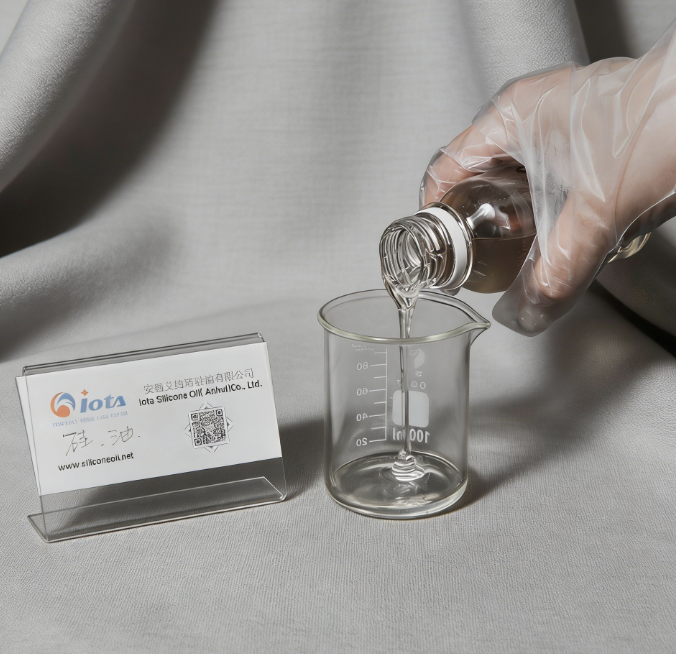
(July 9, 2026) On July 9, 2026, key industrialization progress came from the domestic silicone deep processing field: a number of leading new material companies completed the technical transformation of low-cyclic siloxane and solvent-free high-end polyether silicone oil continuous production lines and put them into production, and the products successfully passed the EU REACH and RoHS The dual compliance certification has officially entered the three high-threshold downstream tracks of water-based industrial coatings, new energy electronics, and high-end daily chemicals, marking that China's polyether silicone oil industry has officially got rid of the homogeneous competition between the mid- and low-end, and high-end domestic substitution has ushered in a period of intensive implementation.
According to the latest industry calculation report of Bosi Data in 2026, the overall market size of domestic polyether modified silicone oil is expected to reach 5.21 billion yuan in 2026, a year-on-year increase of 7.2%, with a total annual consumption of 97,000 tons. The four traditional applications of coatings, textiles, personal care, and pesticide additives are still supported by core demand; among them, the growth rate of electronic grade and cosmetic grade special polyether silicone oil exceeds 13%, which is the core engine of industry growth.
1. The implementation of new green processes has reduced both production costs and environmental pressure.
The new generation polyether silicone oil production line put into operation this time fully adopts the ionic liquid-loaded platinum catalyzed solvent-free synthesis process, subverting the traditional high-solvent feeding production model. Compared with the traditional process, the new route reduces organic solvent consumption by 70%, organic waste gas emissions by 65%, production reaction temperature is reduced from 120°C to 80-100°C, and comprehensive energy consumption is reduced by 22%. At the same time, the catalyst can be filtered, recycled and reused, platinum metal loss is greatly reduced, and the comprehensive production cost per ton of product is reduced by 12%-18%.
The core indicators of the product have been upgraded by leaps and bounds: the residual amount of cyclosiloxane D4/D5 is controlled within 100ppm, and the VOC emission is far lower than the EU SVHC control standard. It is suitable for harsh scenarios such as radiation-cured coatings, food contact grade cleaning materials, and water-based insulation coatings for power batteries; the textile-specific block polyether silicone oil relies on the terminal epoxy modified structure and does not require high-priced polyetheramine intermediates, reducing the raw material procurement costs of downstream textile auxiliary companies by nearly 30%.
According to industry technical experts, high-end low-residue polyether silicone oils have long been monopolized by overseas companies such as Wacker, Dow, and Evonik. Imported products have long supply cycles and significant price premiums. In 2026, domestic companies such as Xin'an Chemical, Runhe Materials, and Chenhua New Materials will centrally complete the transformation of patented processes. The performance gap between batch product performance and imported benchmark models will be reduced to less than 5%, and supply stability will be significantly improved.
2. Downstream demand is fully expanding, and emerging tracks are opening up incremental space.
Water-based coatings market (largest application segment, accounting for 42.3%)
The water-based rate of domestic construction and industrial coatings will increase to 68.5% in 2026. The demand for low-foaming and high-leveling polyether silicone oil as the core wetting and defoaming additive will increase by approximately 12,000 tons. After the implementation of the EU's new hazardous chemical classification regulations, overseas coating companies accelerated the replacement of high-cyclic siloxane additives, and export orders for domestically produced compliant polyether silicone oil increased by 27% compared with the second quarter.
High-end daily chemicals and personal care (fastest growing segment)
More than a dozen beauty companies including Shanghai Jahwa, Unilever, and Procter & Gamble will complete the localization of raw materials for 12 cleansing and skin care products in 2026. The market size of low-odor, high-skin-feel cosmetic-grade polyether silicone oil is expected to reach 910 million yuan, a year-on-year increase of 13.8%, completely breaking the long-term monopoly of foreign-funded silicon-based additives in high-end beauty raw materials.
New demand for new energy and electronics explodes
Energy storage battery water-based encapsulants, PCB circuit board conformal coatings, and photovoltaic water-based insulating coatings all have rigid demands for high temperature resistance and low ion precipitation polyether silicone oil; the Asia-Pacific market silicon-modified polyether materials will maintain an average annual compound growth rate of 5.5%-7% from 2026 to 2035, and the new energy field will become the largest source of growth in the medium and long term.
Green fly control pesticide auxiliary
Water-soluble polyether silicone oil improves the foliar spreading and penetration performance of pesticides. The low-toxic and environmentally friendly formula is in line with the national green pesticide registration policy. The increased penetration rate of aerial pesticide preparations drove the segment to grow by 11.8%, which is significantly higher than the industry average.
3. Driven by both policy and market, the industry is accelerating reshuffling and upgrading
At the policy level, the "14th Five-Year Plan" raw material industry plan lists silicone functional additives as a key category. The amount of subsidies for special technical transformation in 2026 will increase by 23.6% year-on-year. Special funds in many places will support the transformation of continuous green production lines of polyether silicone oil. On the foreign trade side, export tax rebates for primary polyether products will be canceled starting from April 2026. 13%, which forces companies to abandon low-price involution and transform to high value-added special silicone oils. Low-end production capacity is gradually cleared, and industry concentration continues to increase.
On the cost side, the annual average price of upstream DMC silicone monomers is expected to remain at 16,000-17,500 yuan/ton, a year-on-year increase of 34%-47%, supporting the high price of polyether silicone oil. From July to December 2026, the market as a whole will fluctuate at a high level and rise. High-end special products have sufficient bargaining power and stable profit margins.
From the global market perspective, the global polyether-modified siloxane market will be approximately US$1.2 billion in 2026, and is expected to exceed US$1.8 billion in 2033. The Asia-Pacific region is the core of growth; domestic companies, relying on their advantages in cost, compliance, and localized services, continue to squeeze out export share from European and American manufacturers, and purchase orders from the coating and textile industries in Southeast Asia and South Korea continue to increase.
4. Prediction of future development of the industry
Industry organizations have given three clear development trends:
First, green solvent-free and low residue have become the bottom line for product access. In the next two years, general-purpose polyether silicone oils that cannot meet low VOC standards will gradually lose overseas and high-end domestic customers;
Second, functional compounding is the core of value enhancement. The gross profit margin of hydrolysis-resistant, high-temperature resistant, antibacterial, and bio-based modified polyether silicone oil can reach 2-3 times that of general-purpose products;
Third, the application boundaries continue to expand. In addition to traditional fields, emerging scenarios such as medical consumables, 3D printing water-based resins, and lithium battery heat dissipation coatings will continue to release increases. The domestic market size of special polyether silicone oil is expected to exceed 8 billion yuan by 2030.
Industry insiders said that with the full commissioning of multiple domestic high-end production lines, the polyether silicone oil industry will officially enter a new stage of "technology competition replaces price competition." Local leaders with complete R&D, large-scale green production, and a full set of international compliance certifications will continue to reap the dual dividends of domestic substitution and global exports.
http://www.siliconeoil.net