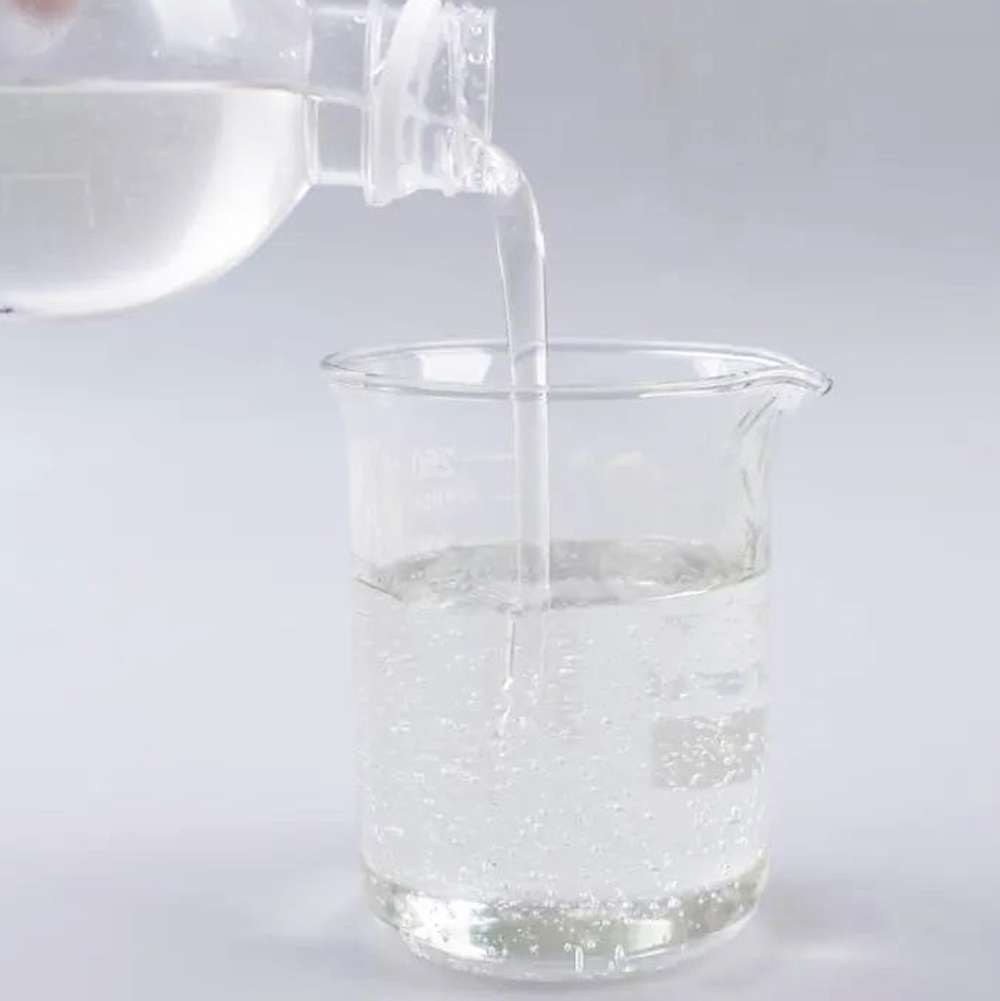
(July 08, 2026) In the first half of 2026, the domestic silicone specialty materials market continues to be booming. Hydrogen-containing silicone oil, which is a silicone rubber cross-linking agent and modified silicone core intermediate, is experiencing both volume and price increases. Industry data shows that in the first half of the year, the monthly spot price of domestic high-hydrogen silicone oil increased by as much as 59%, with prices doubling cumulatively during the year. The supply of high-end electronic grade and photovoltaic-specific hydrogen silicone oil continues to be in short supply, and the mismatch between supply and demand has become a core feature of the industry. With the explosion of demand in the three emerging fields of new energy power batteries, AI data center immersed liquid cooling, and photovoltaic packaging, coupled with breakthroughs in domestic green synthesis process technology, the hydrogenated silicone oil industry has officially entered a new stage of transformation of "high-end customization, low-carbon and green".
From the supply side, many domestic silicone methyl monomer units will enter a centralized maintenance cycle in 2026, and the operating rate of general silicone oil will decline. However, the refined production expansion cycle of high-purity electronic grade hydrogenated silicone oil is long and the technical barriers are high, making it difficult to quickly release short-term new production capacity. The capacity utilization rate of existing high-end production lines of leading domestic silicon companies such as Dongyue Silicon Materials, Tangshan Sanyou Silicon Industry, and Longsheng Sihai New Materials continues to remain above 90%, and order schedules have generally been extended to 1–2 months. The complete set of continuous production technology of hydrogenated silicone oil independently developed by Tangshan Sanyou won the first prize of the Hebei Province Petrochemical Industry Science and Technology Progress Award this year. This process replaces the traditional batch reactor and controls the fluctuation of the active hydrogen content of the product within ±0.03%. The molecular weight distribution is significantly narrowed, and the residual amount of low ring body (D4/D5) meets the new EU REACH and PFAS control regulations, achieving stable batch supply to overseas high-end markets.
In terms of technological innovation, the industry's green catalytic route will completely replace the traditional strong acid hydrolysis process and become the core industry trend in 2026. The traditional production process produces a large amount of acidic wastewater and consumes high energy. However, the new generation solid heterogeneous catalytic closed-loop production technology has completed industrial verification at the 10,000-ton level. It does not require water washing and neutralization processes, the production wastewater emissions are almost zero, and the comprehensive energy consumption per unit product has dropped by 30%. The chlorine-free one-step synthesis route jointly developed by the Chinese Academy of Sciences and leading enterprises has simultaneously advanced to pilot trials, and the carbon emissions of the whole process have been reduced by 42%. It is expected to be industrialized in 2027. Relying on the online spectrum real-time monitoring system, domestic companies have now achieved precise and adjustable hydrogen content of 0.01%–1.8%, specializing in low-hydrogen electronic potting, high-hydrogen photovoltaic packaging, end-group modified special hydrogen-containing silicone oil and other customized categories. This has broken the monopoly pattern of high-end products by overseas companies.
The downstream demand structure has undergone fundamental changes. The proportion of traditional textile auxiliaries has declined year by year, and new energy and electronic computing power have become the core engines of growth.
1.Photovoltaic packaging field: TOPCon and HJT battery supporting additive silicone rubber are highly dependent on high hydrogen-containing silicone oil cross-linking agents. Domestic photovoltaic installed capacity will continue to rise in 2026, and the demand for component packaging materials is stable. It is the largest incremental market driving the demand for high hydrogen-containing silicone oil;
2.New energy vehicle 800V platform: Electronic-grade low-volatile hydrogen-containing silicone oil is required for power battery PACK sealing and thermal interface material modification. It is resistant to high and low temperature cycles and has insulating and hydrophobic properties suitable for high-voltage platform operating conditions. Industry demand has increased by more than 25% year-on-year;
3.AI computing power immersion liquid cooling: After the European Union comprehensively restricted the use of fluorine-containing coolants, low-ring environmentally friendly hydrogen-containing silicone oil-derived cooling media has become a mainstream alternative for data centers. The cost is only 10%–25% of fluorine fluids. Purchase orders for computing power clusters at home and abroad continue to increase;
In addition, the demand for segmented scenarios such as LED optical packaging, high-end leather waterproofing additives, and cosmetic smoothing modifiers has grown steadily, and the overall demand for special hydrogenated silicone oil has grown much faster than the general silicone oil category.
Major changes have occurred in international trade and policies. Starting from April 1, 2026, the 13% export tax rebate policy for primary polysiloxanes (including general-grade hydrogenated silicone oil) has been cancelled, forcing the industry to eliminate low-end homogeneous production capacity and accelerate the transformation to high value-added and high-purity electronic grade products. China currently occupies 36% of the global market share of hydrogenated silicone oil and is the world's largest production and consumption market. New energy industry chains in Europe, the United States, and Southeast Asia continue to increase their purchases of domestic environmentally friendly high-end hydrogenated silicone oil, and the export premium of low-VOC and low-ring customized products is significant.
Industry organizations predict that the overall market size of domestic hydrogenated silicone oil will exceed 1.56 billion yuan in 2026, with the annual growth rate maintaining above 8.5%; among which, the growth rate of high-end special silicone oil related to new energy and electronic computing power will exceed 12%. In the medium to long term, with the implementation of the “15th Five-Year Plan” new materials industry plan, fine deep processing of silicone, green catalytic synthesis, and precise molecular modification will become the core competitive tracks of enterprises. Leading companies with continuous green production lines and customized R&D capabilities will continue to seize market share, and the low-end homogeneous competition in the industry will gradually clear up.
Industry experts suggest that short-term raw material plant overhauls and slow release of high-end production capacity will support the high price of hydrogenated silicone oil; medium- and long-term companies need to deploy low-carbon synthesis, low-ring purification, and functional modification technologies to meet global environmental protection regulations and the upgrading needs of the new energy industry, and open up long-term growth space for high-end markets at home and abroad.