(July 28, 2026) Recently, research information on the silicone industry chain revealed that the domestic vinyl silicone oil industry is undergoing structural transformation. With the rapid development of new energy vehicles, photovoltaics, semiconductor packaging, and liquid silicone rubber (LSR) industries, demand for high-end vinyl silicone oil is steadily rising. Low cyclic, low-ion, and customized products have become the focus of market competition, and the process of domestic substitution continues to accelerate.
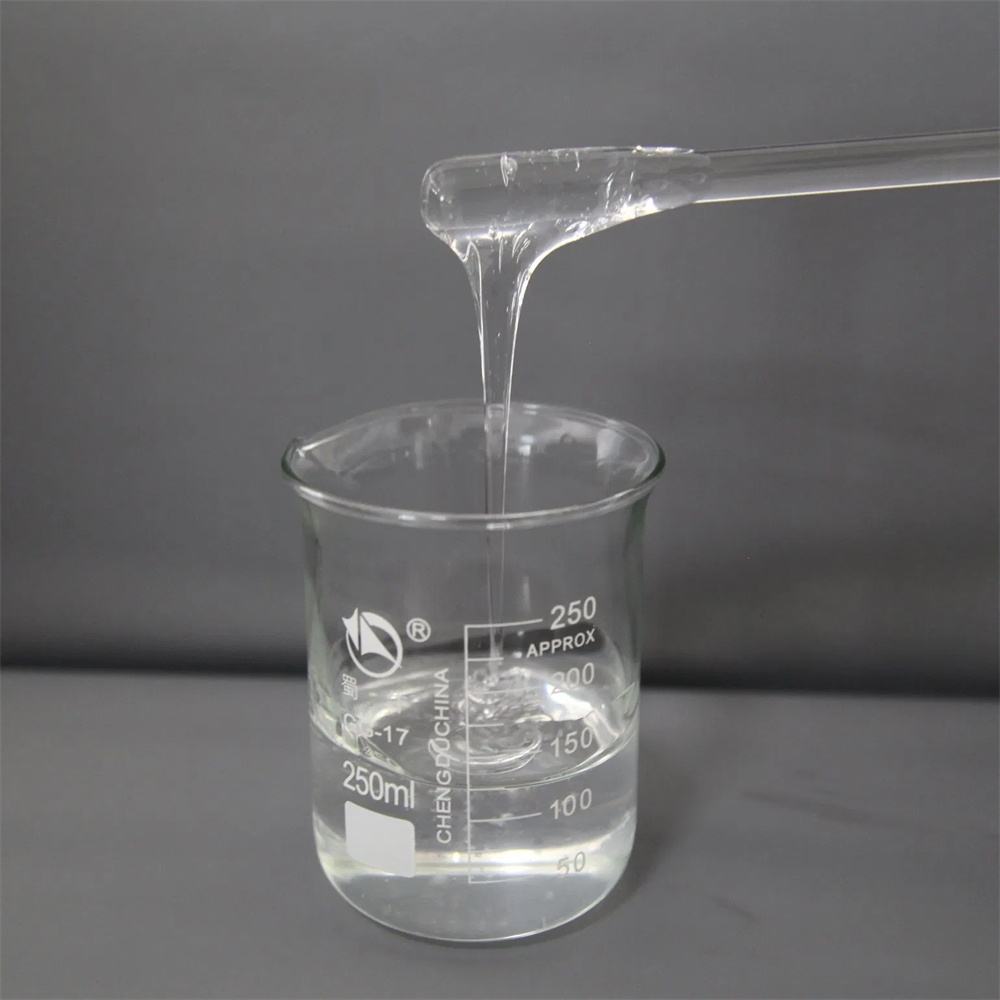
Vinyl silicone oil is the core basic raw material for addition-type liquid silicone rubber, silicone gel, and silicone sealants. Relying on vinyl groups on the molecular chain to participate in silicon hydroaddition reactions, the finished product offers advantages such as resistance to high and low temperatures, high insulation, low stress, and high light transmission. It is widely used in power device packaging, power battery potting, photovoltaic module sealing, and medical silicone products.
From the demand side, downstream incremental growth will continue to be released in 2026. The new energy sector has the most significant driving effect: the popularization of 800V high-voltage platform models has driven increased demand for electronic control modules and silicone potting materials for battery packs; The demand for long-lasting anti-aging encapsulated silicone for N-type photovoltaic modules is rising, directly driving up the consumption of vinyl silicone oil specifically for photovoltaics. Meanwhile, the expansion of AI servers, IGBT modules, and Mini LED industries continues to grow the market space for electronic-grade vinyl silicone oil; Growing demand for medical catheters and maternal and infant silicone products has driven steady increases in orders for medical low-volatility vinyl silicone oil.
Industry insiders analyze that the current market is showing clear divergence. Conventional general-purpose vinyl silicone oil has ample production capacity and fierce market competition; However, high-end products that meet REACH and RoHS regulations, have low cyclic impurities, and ultra-low metal ion content still face supply gaps, having long relied on overseas imports. Affected by longer delivery cycles and price increases from overseas manufacturers, downstream material companies are proactively seeking localized supply chains to create development opportunities for domestic new material companies.
Process upgrades have become a key focus for major manufacturers. Currently, industry technology iteration focuses on precise molecular structure control, continuous synthesis processes, and multi-stage molecular distillation purification technologies. By strictly controlling cyclosiloxane residues and molecular weight distribution, it reduces downstream secondary vulcanization processes, lowers customers' production energy consumption, and meets stringent purity standards in electronics and medical fields. Many domestic companies continue to expand their production capacity for high-purity vinyl silicone oil, launching customized grades with different viscosities and vinyl contents, suitable for diverse scenarios such as LSR, silicone gel, and optical encapsulation adhesives.
On the price front, the domestic vinyl silicone oil market remained stable in July. Upstream DMC raw materials fluctuated and consolidated, and key intermediates such as vinyl double-end heads were tightly supplied, supporting the costs of high-end products. Prices for ordinary industrial-grade vinyl silicone oil remained stable, while electronic-grade and low-ring specialty vinyl silicone oil maintained high premiums.
Looking ahead, industry institutions predict that by 2026, the domestic vinyl silicone oil market size is expected to approach 2 billion yuan. In the medium to long term, the industry's growth logic is shifting from traditional construction sectors to high value-added sectors such as new energy, high-end electronics, and biomedicine. The advantages of enterprises with integrated raw material support, high-purity purification technology, and stable batch supply capabilities will continue to stand out. In the future, green synthetic processes and functionally modified vinyl silicone oils (flame-retardant, high-transparency, low-modulus types) will become research hotspots, continuously promoting independent control of key silicone intermediates.