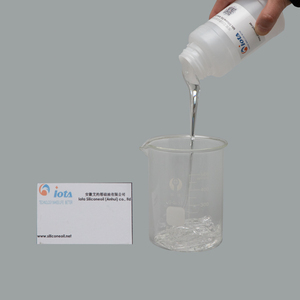
(July 23, 2026) Recently, significant progress has been reported in the domestic field of organosilicon functional materials. The new generation of highly active, low-ion impurity epoxy silicone oil has completed pilot testing and officially entered the mass production delivery stage. Relying on the optimized continuous silicon hydrogen addition synthesis process, the new product has upgraded three core indicators: epoxy value controllability, chloride ion content, and storage stability. It can be widely used in scenarios such as toughening electronic packaging resins, industrial anti-corrosion coating modification, composite material interface treatment, and high-end textile auxiliary synthesis, further advancing the localization of high-end epoxy silicone oil.
As a typical reactive modified silicone silicone, epoxy silicone oil combines the excellent temperature resistance, insulation, and low surface tension characteristics of the siloxane main chain with the chemical reactivity of epoxy groups. It can covalently bind with amine and carboxylic acid curing agents, distinguishing it from ordinary inert silicone oils. It does not exhibit migration, precipitation, or coating loss issues, making it an indispensable modification intermediate for high-performance resin systems. With the continued rise in demand for new energy power devices, flexible electronics, anti-corrosion coatings for offshore wind power, and high-end textile materials, the market demand for high-purity epoxy silicone oil is rapidly increasing.
According to the R&D leader, the newly launched product series covers two major categories: side-chain epoxy silicone oil and end-chain epoxy block silicone oil, allowing flexible customization of epoxy value and molecular viscosity according to downstream formulation requirements. Compared to traditional batch products, the new process effectively reduces heavy metal ions and hydrolyzable chlorine residues, controlling metal impurities to below 50ppb, perfectly suited for demanding reliability scenarios such as semiconductor packaging and automotive electronic adhesives; When added to epoxy resin systems, it can significantly improve the brittleness, high internal stress, and cracking of cured products during hot and cold cycling, enhancing material weather resistance and insulation performance. In coating applications, it can simultaneously optimize leveling and defoaming effects, enhancing the compatibility between the silicon phase and organic resin.
In the textile chemical sector, end-of-pipe epoxy silicone oil is the core raw material for environmentally friendly block softeners, effectively avoiding the issues of traditional amino silicone oils such as yellowing, insufficient hydrophilicity, and roll sticking problems, aligning with the trend of low-VOC green production transformation in the dyeing and printing industry. Industry research data shows that in 2026, the domestic epoxy silicone oil market will continue to grow steadily, with structural differentiation becoming prominent: competition among conventional general grades intensifies, high-purity and customized special models maintain high gross margins, and import substitution space is concentrated in high-end materials for electronics and aviation.
Currently, the domestic silicone industry is shifting from competition in basic raw materials to the functional fine chemicals sector. The "Special Action for Green and Low-Carbon Development of Silicone Materials (2025–2027)" clearly lists epoxy silicone oil as a key high-performance additive for support, forcing the industry to accelerate green process transformation. Several materials companies are developing solvent-free synthesis routes, continuously reducing the use of organic solvents in production processes to meet domestic and international environmental regulations and export carbon control requirements.
Industry analysts say that as downstream new energy and electronic information industries continue to expand, the downstream application boundaries for epoxy silicone oil will keep expanding. The core of future competition will focus on precise and controllable molecular structures, batch stability, and integrated supporting solutions. Domestic manufacturers continue to break through high-end grades, which is expected to gradually break the long-standing monopoly of overseas companies, reduce raw material costs in the domestic composite materials and electronic chemicals industry chain, and help ensure independent and controllable domestic high-end new materials supply chains.