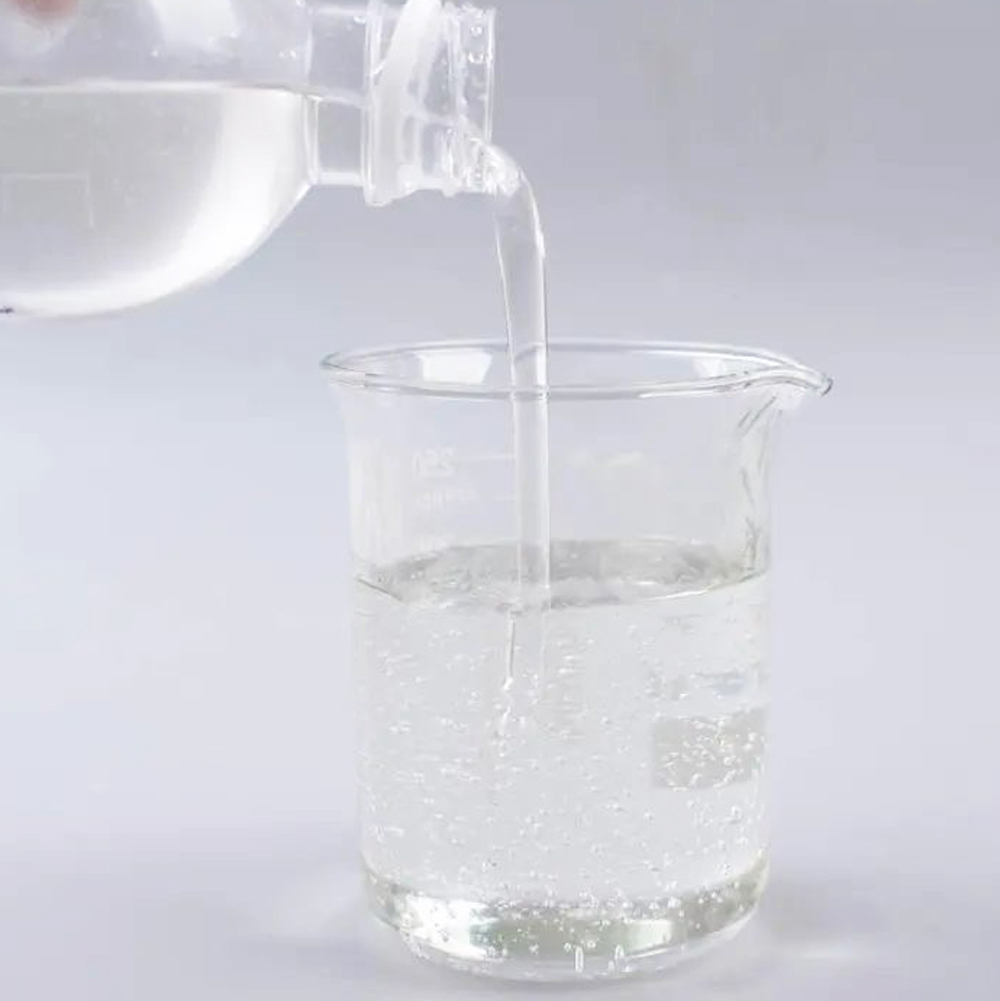
(July 7, 2026) In early July, the domestic organic silicon industry chain underwent major policy and price adjustments. Upstream single companies implemented intensive production and emission reduction plans, driving methyl silicone oil prices to stop falling and rebound, ending the continuous decline in June, and ushering in a phased reshaping of market supply and demand patterns.
On July 3, leading domestic silicone monomer companies held an industry coordination meeting and decided to raise the industry-wide emission reduction and production limit standard for July from 40% to 60%, significantly reducing overall operating load and alleviating previous low-price competition and inventory backlog issues on the supply side. At the same time, the meeting introduced a unified acceptance water purification guidance price, with the basic raw material DMC fixed at 14,000 yuan/ton, and the official guide price for national standard general methyl silicone oil was raised to 15,500 yuan/ton, a sharp rebound from the market low in late June. Actual orders and spot foreign exchange transactions were about 100 yuan/ton lower than the acceptance price.
Looking back at the June market, methyl silicone oil was generally in the traditional off-season for demand, with downstream construction adhesives, textiles, and daily chemicals industries operating weakly. Procurement generally followed a 'buy as needed' strategy, and the market was highly cautious. At the end of June, the negotiation range for domestic conventional viscosity methyl silicone oil fell to 15,700-16,500 yuan/ton, with a cumulative monthly decrease of 500 yuan/ton; Foreign high-end methyl silicone oil quoted at 18,500-20,000 yuan/ton, with the price gap between domestic and foreign markets continuing to narrow. Due to inferior quality, cracked material silicone oil prices dropped to 13,600-13,800 yuan/ton, with a prominent phenomenon of low-price sales in the industry, and profits of small and medium-sized deep-processing enterprises remain under pressure.
After the implementation of this concentrated production restriction and price stabilization policy, multiple methyl silicone oil producers in East and South China simultaneously updated their quotations, with some factories temporarily restricting individual shipments to prioritize supply to long-term contract customers. Traders reported that short-term market inquiries have clearly warmed up, and downstream companies in silicone sealant, plastic defoaming, and lubricant have started to restock slightly, gradually reversing the market's "buy on the rise, not on the fall" mentality.
On the demand side, July remains traditionally a slow season in the short term, with limited traction from traditional civilian sectors, but the medium- to long-term incremental logic is clear. Industry experts estimate that by 2026, the global silicone oil market size is expected to reach $23.45 billion, with an annual growth rate of 6.2%; The increase in domestic methyl silicone oil mainly comes from three major tracks: first, modified silicone oil raw materials for new energy storage liquid cooling; second, domestic substitution of high-purity methyl silicone oil for semiconductor electronic packaging; third, export orders for daily chemical cleaning and high-end textile fabric softeners, with steady demand released in Southeast Asia, the Middle East, and overseas markets.
On the environmental policy front, by 2026, the industry will continue to tighten control over volatile organic compound emissions, making low-ring, solvent-free green methyl silicone oil the mainstream direction for enterprise R&D. Leading silicon material companies continue to undergo technological transformation, launching low-precipitation food-grade, electronic-specific methyl silicone oils. High-end product gross margins are 15-25 percentage points higher than ordinary industrial silicone oils, gradually breaking free from the deadlock of low-end homogeneous price wars.
Regarding the market outlook, industry analysts predict: in the short term, supported by a high 60% production cut, methyl silicone oil prices have a foundation for stabilization and upward movement, but demand in the off-season is difficult to quickly increase, so July overall maintained a volatile but slightly strong trend; With the traditional downstream peak season in August combined with concentrated stocking of the new energy industry chain, methyl silicone oil is expected to see a sustained upward trend. In the long term, the industry will accelerate the elimination of outdated small production capacity and focus on a green, high-end, and integrated full industry chain model. High-purity functional methyl silicone oil will become the core profit growth driver for companies.
Industry tip
1. Currently, market prices are highly differentiated, with a large gap in quality and price between cracked recycled silicone oil and new raw material. Downstream procurement needs to distinguish raw material categories to avoid risks from low-priced, inferior sources;
2. During production restrictions and emission reduction cycles, some manufacturers have extended delivery times, so companies with large stock needs are advised to secure long-term orders in advance;
3. Export companies can focus on emerging markets in Southeast Asia and Latin America, where the cost-performance advantage of domestic methyl silicone oil continues to stand out, offering broad potential to replace imports.